From Formulation to Product Labels: How Stigma Grow Brought Potency Testing In-House
The Customer
Company: Stigma Grow
Location: Red Deer County, Alberta, Canada
Operation: Cannabis extraction and finished-product manufacturing
Technology: Two LightLab 3 High Sensitivity Analyzers by Orange Photonics.
Primary Use Cases: Product formulation, potency compliance testing
Secondary Use Cases: Extraction efficiency, raw materials verification, monitoring for product degradation
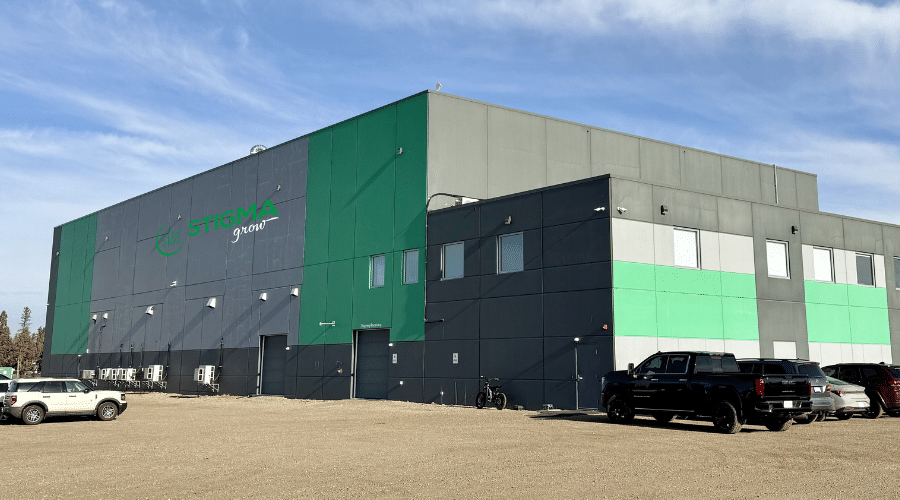
Stigma Grow is a licensed cannabis operator based in Red Deer County, Alberta, Canada. Its operation spans extraction, product formulation, and manufacturing, producing concentrates, infused pre-rolls, vape cartridges, and softgel capsules. The team regularly works with cannabinoids such as THC, CBD, CBN, and CBG in its formulations. The company employs approximately 50 people, including a six-person quality assurance and quality control team supporting its manufacturing operation.
When Stigma Grow brought LightLab on board in November 2021, it was still cultivating cannabis. The quality team intended to use the real-time potency data to support both harvest timing, as well as product formulation. Over time in-house testing expanded significantly. After completing its own method validation and gaining approval from Health Canada, Stigma Grow began using LightLab for final potency compliance checks and recording LightLab potency values on its product labels.
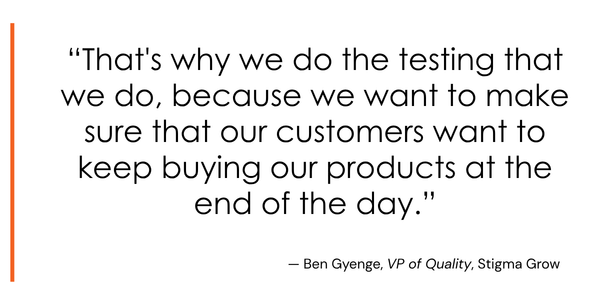
“We’re testing all sorts of things all the time,” says Ben Gyenge, VP of Quality. He describes a testing program that has grown alongside the team’s needs. “Now we have two LightLabs because we have so many samples that we need to have two so we can run in parallel.”
The Challenge
Making Harvest and Formulation Decisions Without Waiting Days
Before LightLab, Stigma Grow relied on third-party laboratories for all potency testing. Waiting two to three days for results made it difficult to make timely decisions about both harvest timing and product formulation. In each case, the team needed potency data while there was still an opportunity to act on it.
When Stigma Grow was cultivating cannabis, the team needed to identify when each cultivar reached its peak potency and was ready to harvest. In addition to traditional subjective harvest timing methods like trichome appearance, pistil color, size or texture, they relied on objective potency data, tracking the conversion of CBGA to THCA to identify the optimal harvest timing. But sending samples to an outside lab meant results could arrive after the optimal harvest window had already passed, leaving the team with reduced yields.
During product formulation, the team needed to know whether a mixture had reached its target potency so it could fine-tune the formulation while production was underway. Extracts might need to remain heated, mixed, or temperature controlled, making a multi-day wait for an outside result difficult to accommodate.
The Solution
Empowering the Stigma Grow Team with In-House Potency Testing
Since bringing LightLab 3 High Sensitivity Analyzer on board, the Stigma Grow team regularly tests cannabis and in-process formulations within its own facility, and has access to real-time potency data to guide real-time operational decisions.
While Stigma Grow was still cultivating, this meant being able to assess cannabinoid development as plants approached harvest and identify when potency began to level off.
For product formulation, it means being able to check whether a mixture is meeting its target potency while it is still in process, informing adjustments, and avoiding waste.
These initial applications established a role for LightLab in day-to-day production decisions, but the Stigma Grow team didn’t stop there. They recognized that there were additional places where in-house testing could improve both their operational efficiency as well as their profit margins, and they set out to maximize their investment.
Gyenge recognized that LightLab could potentially be used for final potency compliance checks and product labeling with the approval of Health Canada. Making that transition required the team to validate its LightLab testing method.
Gyenge emphasized “completing method validation requires technical knowledge and experience—capabilities that can be a barrier for other operators.” With a background in biochemistry, Gyenge led his experienced QC team through six months of extensive method validation efforts, culminating in a 61 page final report, which was ultimately approved by Health Canada. Now, Stigma Grow uses LightLab results for the potency values on its final product labels, eliminating the need for third-party potency testing altogether.
The Workflow
Guiding Harvest, Formulation, and Label Potency Decisions
Following cannabinoid development during cultivation. When Stigma Grow still cultivated cannabis, the team tested bud samples throughout the growth cycle to follow cannabinoid development. They tracked the conversion of CBGA primarily to THCA, watching for potency to level off as a signal of the optimum harvest window. The number of weeks needed to reach that point varied by cultivar, so the team used the results to guide harvest timing for each batch. Stigma Grow no longer cultivates, but this was one of its original LightLab workflows.
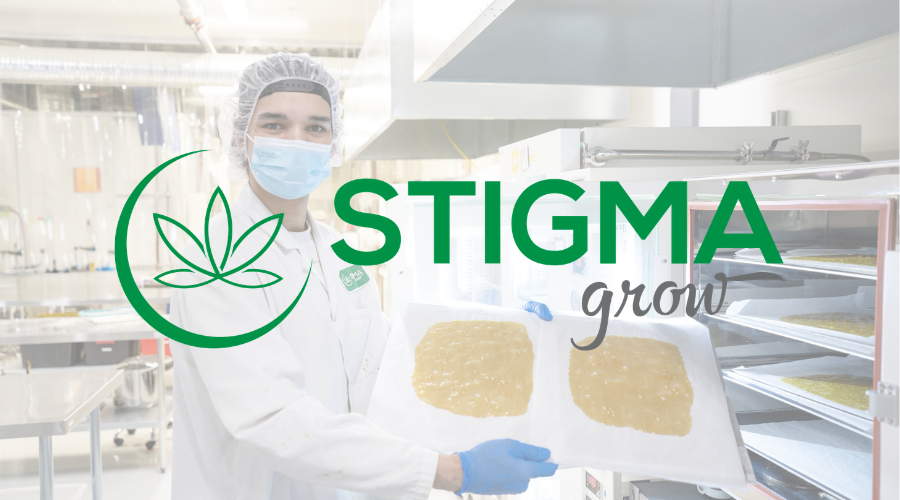
Checking formulations during production. The team samples products during formulation and compares the measured potency with intended targets to determine whether the formulation is correct. Testing is handled within QC, where operators select the method appropriate to the material, such as an isolate or an infused pre-roll mix, and follow the LightLab’s on-screen guidance. Alongside THC and CBD, the team also measures CBN and CBG regularly. The results inform adjustments to extraction parameters and/or formulation decisions while the material is still in process, including when extracts are being heated and mixed under temperature-controlled conditions.
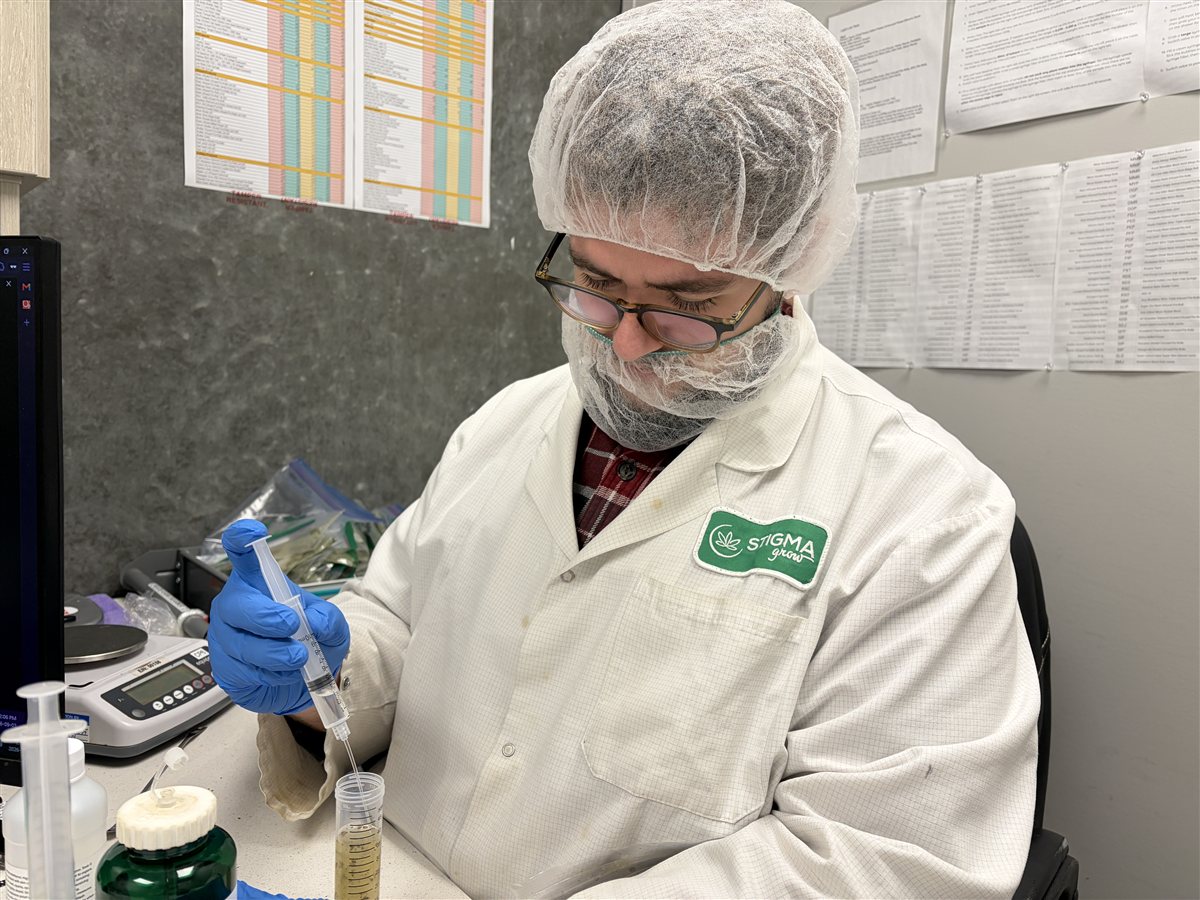
Generating potency values for product labels. Within Stigma Grow’s validated testing program, the quality team tests the potency of final products and uses the resulting potency values on product labels. Initially, the team was able to measure delta-9 THC, THCA, CBD, and CBDA. Later, as the product range developed, the team completed additional method validation work that expanded approved testing to include CBN and CBG.
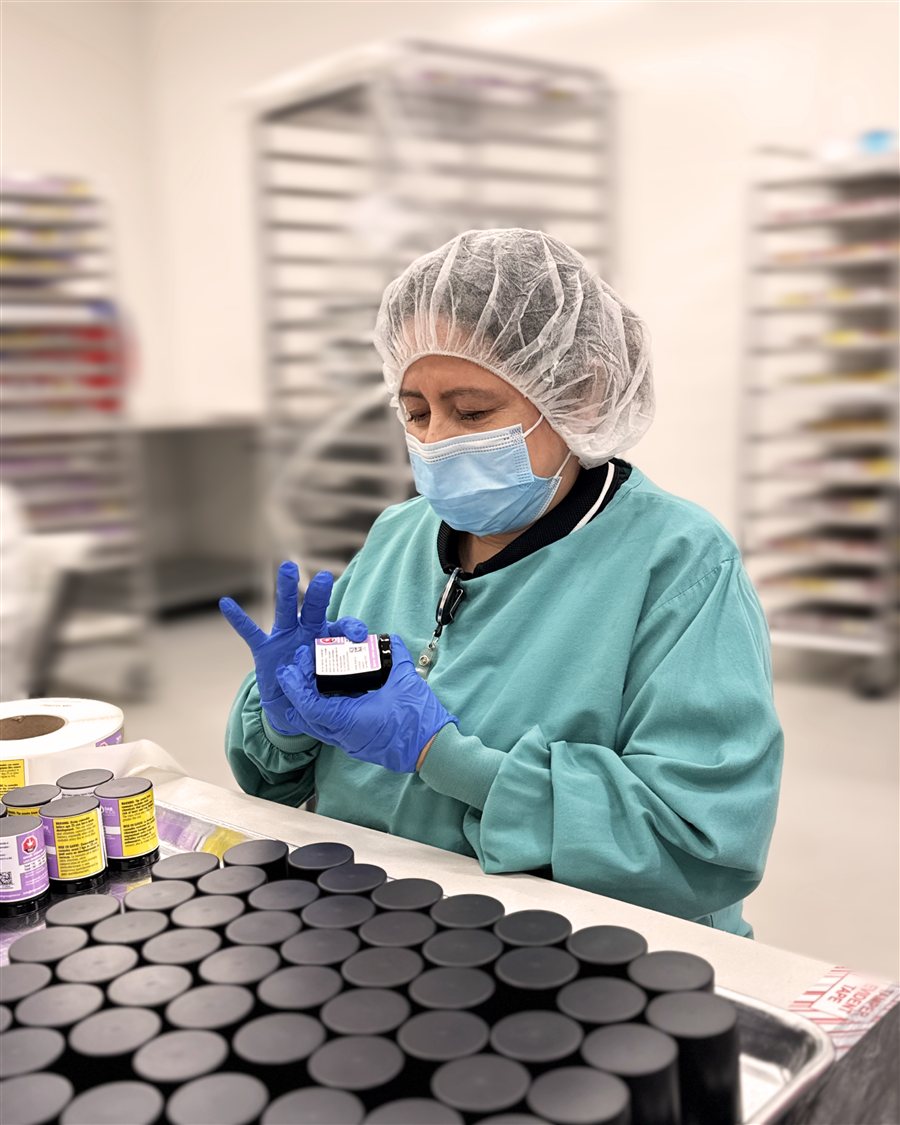
With approximately 1,000 tests completed in just seven months, potency testing has become a regular part of Stigma Grow’s quality operations, informing decisions made across the operation.
The Results
Lower Testing Costs, Less Waste, and Stronger Margins
Optimized cannabinoid production at harvest. When Stigma Grow cultivated cannabis, better harvest timing helped the team capture each cultivar’s cannabinoid potential at the optimum point. This protected the value of the crop by reducing the risk of harvesting before cannabinoid development was complete or after potency had begun to decline.
Lower costs for compliance potency testing. Bringing final-label potency testing in-house saves Stigma Grow money on outside laboratory fees. The savings make compliance testing an ongoing source of operating-cost reduction, extending the financial value of LightLab beyond its original production applications. Published Canadian laboratory prices for a standalone cannabinoid potency panel range from CAD $75–$120 per sample, compared with less than USD $5 per test in consumables for LightLab in-house testing.
Less waste and greater consistency during formulation. With LightLab onsite, the Stigma Grow team saves precious time on reformulation and reduces ingredient waste, both of which lead to optimized profit margins. At the same time, consistency in formulation ensures a high-quality, consistent experience for the end-user, ultimately building consumer trust and brand loyalty.
The Added Value
Improving Extraction Recovery and Evaluating Materials
Understanding what remains after extraction. Stigma Grow uses butane extraction and has tested spent biomass after allowing residual butane to off-gas. Measuring the cannabinoids left behind helped its extraction team evaluate recovery and how best to use its equipment. Using LightLab in this way resulted in a modest increase in yields.
Verifying purchased cannabis. For shipments from newer or less-established suppliers, the team tests incoming material and compares its potency with the supplier’s certificate of analysis (COA). Those checks have supported pricing renegotiations when potency did not match expectations. If a supplier disputes the result, typically both parties agree to send material to a third party lab for another assessment.
Monitoring for product degradation. Stigma Grow uses CBN results as an internal signal to investigate potentially aging product. Samples above the company’s internal CBN threshold prompt a closer look before the team decides whether to use the material.
The Customer Perspective
Quality Control Is Key to Customer Loyalty
At Stigma Grow, in-house potency testing influences decision-making throughout the operation, and therefore, has a direct impact on the consumer experience. Stigma Grow’s quality program, supported by LightLab, ensures production of consistent, high quality cannabis products that its customers have come to rely on.
Frequently Asked Questions
Can a Canadian cannabis operator use LightLab results for potency values on product labels?
Stigma Grow uses LightLab results for the potency values on its final product labels after completing its own method validation and obtaining Health Canada’s acceptance of its approach. Its experience demonstrates a path to in-house label-potency testing; another operator would need to establish the suitability of its own method and meet the requirements applicable to its operation. This case study concerns potency testing, not every test required for product release.
What did Stigma Grow do to validate its in-house potency testing method?
Stigma Grow’s experienced quality team, led by Ben Gyenge, VP of Quality, completed approximately six months of method-validation work and published a report of approximately 61 pages, which was approved by Health Canada. Its initial validated testing covered delta-9 THC, THCA, CBD, and CBDA. The team later completed additional validation work to include CBN and CBG as its product range expanded.
How do LightLab testing costs compare with outside laboratory potency panels?
The Canadian laboratory prices cited in this case study range from CAD $75–$120 per sample for a standalone cannabinoid potency panel. LightLab consumables cost less than USD $5 per test. These figures use different currencies and compare a laboratory service with consumables only; in-house testing also involves equipment, staff time, and method-validation costs. Stigma Grow saves outside laboratory fees by generating its final-label potency results in-house.
How does in-house potency testing help operators improve cannabis formulations?
In-house potency testing lets operators compare an in-process mixture with its target potency while adjustments are still possible. Stigma Grow tests during formulation, including work with heated or temperature-controlled extracts, and regularly measures THC, CBD, CBN, and CBG. Timely results help its team reduce ingredient waste and produce more consistent formulations without waiting two to three days for an outside laboratory result.
How can cannabinoid testing help a cultivator decide when to harvest?
Cannabinoid testing can help a cultivator follow potency development and identify when it begins to level off. When Stigma Grow cultivated cannabis, it tested buds throughout the growth cycle and tracked CBGA conversion primarily to THCA. Because the number of weeks to reach the optimum harvest window varied by cultivar, the team used those results to guide timing for each batch. Stigma Grow no longer cultivates; harvest timing was one of its original LightLab applications.